
Work clothes used to mean a trade-off. You could look sharp, or you could feel comfortable, but rarely both at the same time. That trade-off is disappearing fast. The biggest shift in office dressing this year isn’t a new color or a new logo on a jacket pocket — it’s a rethink of how tailoring is built and worn in the first place.
If your work wardrobe still feels stiff, dated, or like it belongs to a version of your job that no longer exists, this is the year to fix it. Below is a practical look at what’s actually changing in tailoring for 2026, and how to bring those ideas into your own closet without starting from scratch.
Why Tailoring Looks Different Now
Traditional suiting was built around structure — heavy interlining, fused canvas, shoulders padded to hold a shape whether or not a body was inside them. That approach is losing ground. Designers and tailors are now prioritizing garments that move the way a real workday moves: sitting through back-to-back meetings, catching a train, reaching for a bag off an overhead rack.
The result is what a lot of tailors are calling “relaxed tailoring” — softer shoulders, lighter internal construction, and a fit that flatters without gripping. It’s not a looser suit for the sake of looking casual. It’s a suit engineered so the structure works with the body instead of against it.
Hybrid work has a lot to do with this. When your day might include a client call at 9am and a school pickup at 4pm, clothing has to flex between registers. That’s pushed tailoring toward pieces that read as polished on a screen and don’t feel like armor once you’re off it.
Soft Shoulders and Relaxed Silhouettes
The sharpest, most padded shoulder line is fading from serious workwear. In its place: natural shoulders with minimal padding, a slightly dropped shoulder seam, and jackets that fall rather than sit rigidly on the frame.
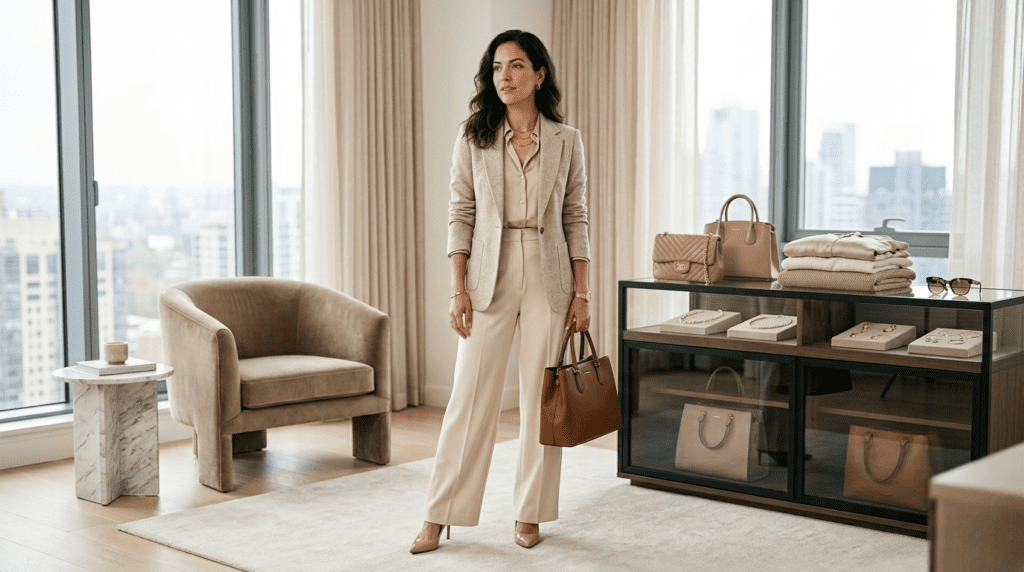
For women, this shows up as suiting with fluid fabrics and understated patterns — tailoring that feels wearable enough to go straight from a meeting into evening plans. For men, it’s roomier chests, easier trousers, and a fit inspired by looser mid-century cuts rather than the ultra-slim silhouette that dominated the last decade.
A simple way to test whether a jacket fits the 2026 way: sit down in it. If the shoulders pull or the back bunches, the tailoring is fighting your body instead of supporting it.
Fabric Choices That Actually Matter
This is where the real upgrade happens, and it’s the part most people skip. Fit gets attention, but fabric is what determines whether a garment survives a real week at work.
Two categories are worth knowing:
Open-weave fabrics like hopsack and fresco are gaining ground because they breathe well and bounce back into shape after sitting all day — a small detail that matters a lot if you’re in a jacket for eight hours straight.
Natural blends such as silk-linen mixes and lightweight flannels are replacing the high-sheen synthetic blends that once signaled “cheap suit” under office lighting. These fabrics have texture and depth rather than a flat, plasticky finish.
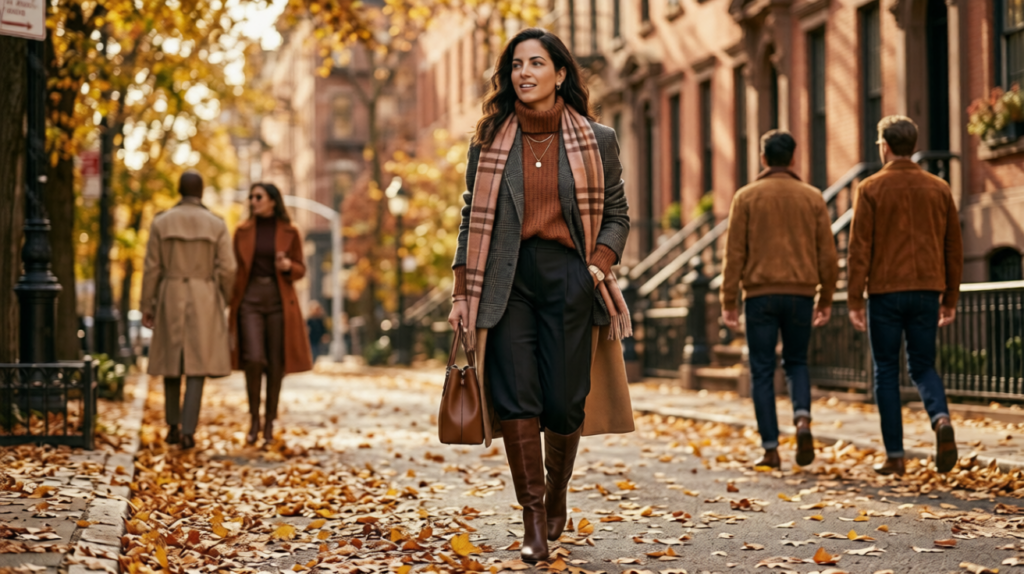
Color has shifted too. Navy and charcoal aren’t going anywhere, but they’re now joined by warmer, earthier neutrals — burnt umber, sage green, deep burgundy, and warm gray. These read as considered rather than loud, especially paired with simple shirting and neutral shoes.
The Waistcoat Is Doing More Work Than Ever
If there’s one single piece to add this year, it’s a well-cut waistcoat. It layers over a simple tee for a look that’s polished without full formality, or pairs with tailored trousers for a clean, minimal outfit that still reads as “put together” without a full suit.
It’s a low-effort way to bring tailoring into an outfit that would otherwise be jeans-and-a-top territory, and it works across seasons since it layers easily under a coat in colder months.
Co-ords and Matching Separates
Matching sets — a tailored jacket and trouser, or a knit top and skirt cut from the same fabric — are having a real moment. The appeal is obvious once you’ve worn one: zero guesswork on whether pieces go together, and the option to break the set apart and wear each half with something else.
For workwear specifically, a tailored co-ord solves the “what do I wear today” problem better than almost anything else in a closet. Buy one in a neutral and one in a color you actually like wearing, and you’ve effectively doubled your outfit options with two purchases.
Maxi Lengths Move Into the Office
Longer hemlines — maxi skirts, longer trench coats, elongated blazers — are showing up in office-appropriate ways this year. A maxi skirt paired with a fitted knit or a crisp shirt reads as modern rather than dramatic, and it solves for comfort in a way that a pencil skirt often doesn’t.
This isn’t about swapping every piece for something floor-length. It’s about knowing that longer, fluid lengths are now a legitimate part of a tailored work outfit rather than an outlier.
Knitwear as a Suiting Alternative
Knitted blazers and jacket-style cardigans are increasingly standing in for structured suiting, especially for people who split time between home and office. They photograph well on video calls, survive a commute without wrinkling, and don’t need dry cleaning after every wear.
This shift also reflects a practical cost issue: knit-based pieces tend to hold up better across repeated wear and washing than fused, structured jackets, which lowers the real cost of a garment over its lifetime even if the upfront price looks similar.
Comparison: Traditional Tailoring vs. 2026 Relaxed Tailoring
| Feature | Traditional Tailoring | 2026 Relaxed Tailoring |
|---|---|---|
| Shoulder construction | Heavily padded, structured | Soft, natural shoulder line |
| Fit philosophy | Slim, body-hugging | Roomier, moves with the body |
| Common fabrics | High-sheen synthetic blends | Hopsack, fresco, silk-linen, flannel |
| Color palette | Navy, black, charcoal | Navy and charcoal plus warm earth tones |
| Care requirements | Frequent dry cleaning | Often machine-washable knit alternatives |
| Best for | Formal, occasion-based dressing | Everyday hybrid work, back-to-back schedules |
| Comfort over a full day | Can feel restrictive by evening | Built for sitting, moving, commuting |
Who Should Lean Into Relaxed Tailoring
People with hybrid schedules, long commutes, or jobs that move between formal meetings and casual settings will get the most out of this shift. If your day involves sitting for hours, traveling between locations, or switching from office to after-work plans, softer construction and better fabric will feel like a genuine upgrade rather than a style experiment.
Who Might Stick with Traditional Tailoring
Roles with strict formal dress codes, or occasions like court appearances, formal client pitches, or industries where a sharp, structured silhouette signals authority, may still call for classic construction. Relaxed tailoring isn’t a replacement for a well-fitted formal suit — it’s a better everyday default for the other five days a week.
How to Start Upgrading Your Workwear
You don’t need to replace an entire wardrobe at once. A practical approach:
- Start with one waistcoat or knit blazer in a neutral shade you’ll wear constantly.
- Replace one structured piece — a blazer or trouser — with a relaxed-fit version in a natural fabric blend.
- Add one matching co-ord for the days you want zero decision-making.
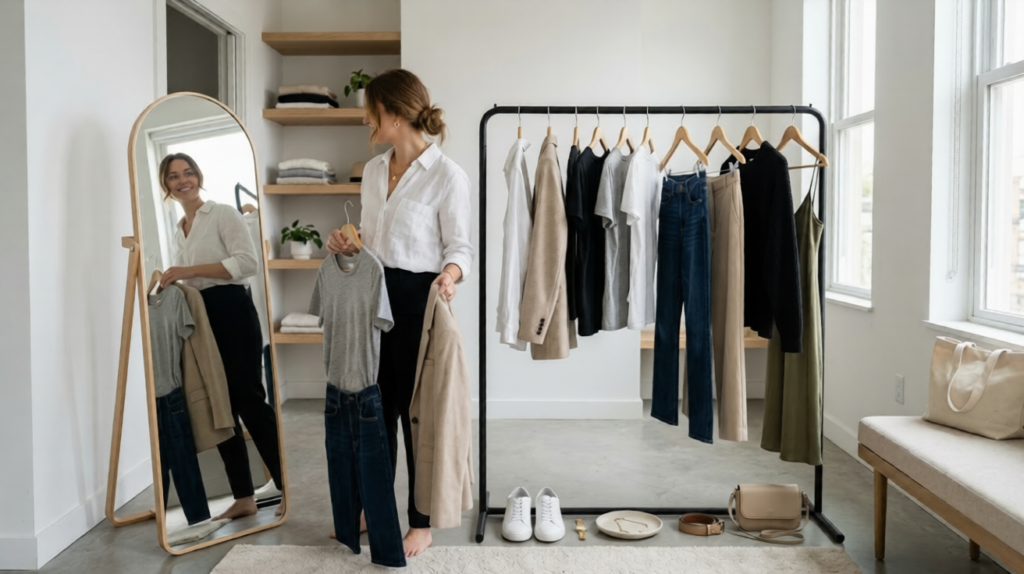
- Test fit by sitting down in the fitting room, not just standing in front of a mirror.
- Rotate one earth-tone piece into a wardrobe that’s currently all navy and black.
Final Thought
Tailoring in 2026 isn’t about chasing a trend for its own sake. It’s a genuine rethink of how work clothes should feel after eight hours in them. The pieces that matter most this year are the ones that quietly do their job — better fabric, a shoulder that doesn’t fight your posture, a fit that lets you actually sit through a long meeting without adjusting your jacket every ten minutes. Start with one or two pieces, notice the difference in how your day feels, and build from there.
FAQ
What is “relaxed tailoring” and how is it different from a regular suit?
Relaxed tailoring uses softer shoulder construction, lighter internal layers, and roomier cuts so the garment moves with the body instead of holding a rigid shape. A regular structured suit relies on padding and fused canvas to keep its form regardless of posture.
Are knit blazers actually appropriate for office wear in 2026?
Yes, in most modern and hybrid workplaces. Knit blazers hold their shape well, resist wrinkling on commutes, and are increasingly accepted as a smart-casual to business-casual alternative to structured suiting.
What fabrics should I look for when buying tailored workwear this year?
Look for open-weave fabrics like hopsack and fresco for breathability, and natural blends such as silk-linen or lightweight flannel for texture and durability. Avoid high-sheen synthetic blends, which read as dated under office lighting.
Is slim-fit tailoring completely out for 2026?
No. A well-fitted slim cut still works if it allows you to sit, reach, and move comfortably. The shift is away from ultra-tight, movement-restricting cuts, not away from tailored fit altogether.
How do I know if a tailored jacket actually fits well?
Sit down in it before buying. If the shoulders pull, the back bunches, or the sleeves ride up, the jacket is fighting your body. A well-cut piece should hold its shape whether you’re standing or seated.