Buying a designer bag used to be simple. You picked whatever looked good with your coat and called it a day. That’s not really how it works anymore. A bag today is part wardrobe piece, part financial decision, and part identity statement, and the market has gotten smart enough to reward people who buy with a little strategy.
This guide walks through what’s actually happening in the handbag world this year — the shapes and materials designers are pushing, which bags are genuinely holding or gaining value, how to avoid an expensive counterfeit, and how to pick something you’ll still want to carry five years from now.
How the Designer Bag Market Has Changed
For most of the early 2020s, the story was micro bags and logo-heavy statement pieces. That’s shifted. Designers moved through a very minimal, almost austere phase in 2025, and 2026 is a reaction to it — more texture, more color, more personality, but without abandoning the quiet-luxury instinct that’s dominated shopping behavior for the past few seasons.
Two things are happening at once. On the runway, bags are getting more expressive — sculptural shapes, richer materials, playful silhouettes. In the resale market, buyers are getting more conservative — chasing black, tan, and gold hardware because that’s what actually sells later. A smart buyer in 2026 is paying attention to both conversations, not just the one happening in a shop window.
The Shapes and Materials Defining 2026
The East-West Bag Is Back
The long, horizontal silhouette that defined the late ’90s and early 2000s has returned, with Prada and Miu Miu leading the reintroduction. It reads as more relaxed than a structured top-handle bag and slides more comfortably under the arm, which is probably why it keeps resurfacing every couple of decades.
Suede Is Having a Real Moment
Saint Laurent, Prada, and Miu Miu have all leaned into suede this year, favoring camel, chocolate, and beige tones over smooth leather. It’s a softer, warmer texture that suits the broader shift toward quiet, tactile luxury rather than anything glossy or logo-forward.
Oversized Bags Are Making a Comeback
After several years of the micro bag reigning supreme, Louis Vuitton, Balenciaga, and The Row have all reintroduced larger totes and spacious handbags this year. The appeal is obvious — a bag that can actually hold your life is having a moment again, and it doesn’t look like it’s going away soon.
The “Beat-Up” Bag as a Status Symbol
This one surprises people. Worn-in, softly slouched leather — the kind you’d usually associate with a bag that’s had a long life — has become genuinely desirable, especially in styles like the Chloé Paddington and Balenciaga Le City. A little patina now signals that you’ve had a piece long enough for it to earn character, rather than looking like it’s fresh off a shelf.
One-Handle and Sculptural Silhouettes
Dior and Loewe have both shown one-handle bags this season — less about practicality, more about the way they look when you’re holding one. Expect them to be a talking point rather than an everyday workhorse, and expect a few brands to have their own quirky take by the end of the year.
Bright, Primary Colors as Accents
Spring/summer runways brought in cherry-red, Klein-blue, and sunshine-yellow. If you’re not ready to wear a full look in a bold shade, a bag is the low-commitment way to bring that color into your wardrobe.
Designer Bags Worth Buying as an Investment
Not every bag needs to be an investment. But if resale value matters to you, some pieces have a genuinely strong track record, and others are simply trend-driven purchases dressed up as investments.
| Bag | Brand | Why It Holds Value | Best Colorway for Resale |
|---|---|---|---|
| Birkin (25/30) | Hermès | Extreme scarcity, waitlist culture, decades of appreciation | Black, Togo or Epsom leather, gold hardware |
| Classic Flap | Chanel | Continuous price increases, universal recognition, deep resale demand | Black caviar leather, gold hardware |
| Margaux | The Row | Rapidly growing resale reputation, dubbed “the next Birkin” by some resellers | Neutral tones |
| Double Flap | Chanel | Among the most-viewed bags on resale platforms across age groups | Black or beige |
| Puzzle Bag | Loewe | Distinctive craftsmanship, strong and growing secondary-market demand | Neutral leather tones |
| Jodie | Bottega Veneta | Recognizable without logos, appeals to quiet-luxury buyers | Black or Teen size in neutral shades |
| Galleria | Prada | Practical, wearable, consistent resale interest | Saffiano leather in neutral shades |
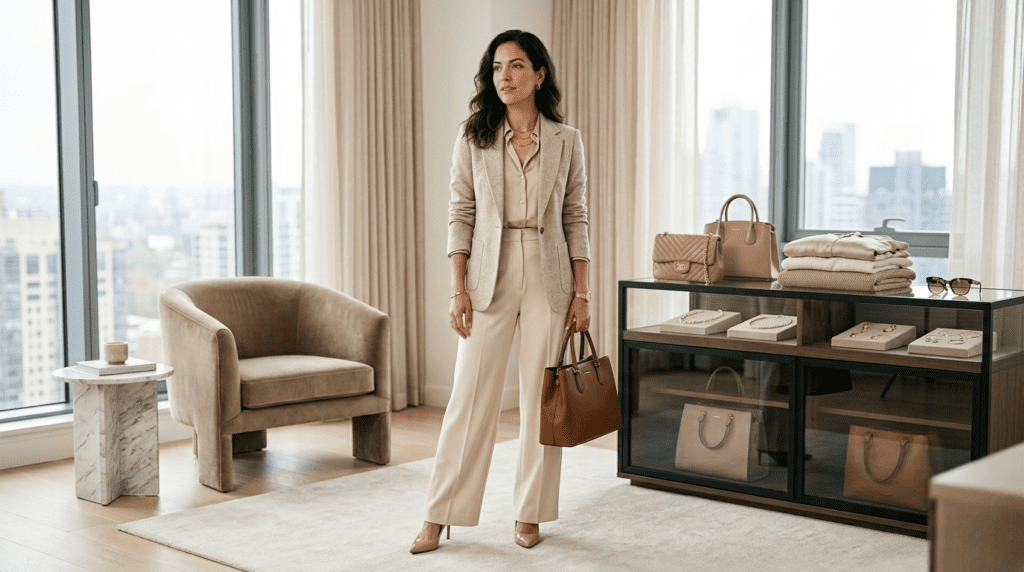
A few patterns show up across nearly every credible resale report. Black is the most stable, universally desirable color across every brand. Gold hardware tends to be more liquid at resale than silver. And neutral tones — tan, cognac, navy, beige — consistently outperform seasonal or trend colors once a bag hits the secondary market.
There’s also a real argument for buying new rather than pre-owned if resale is your goal. A complete set — the bag, dust bag, box, authenticity card, and original receipt — commands a meaningful premium on resale platforms compared to a bag without its paperwork. For Hermès and Chanel especially, that documentation can be the difference between a strong resale price and a mediocre one.
Entry Points if You’re Not Ready for a Birkin
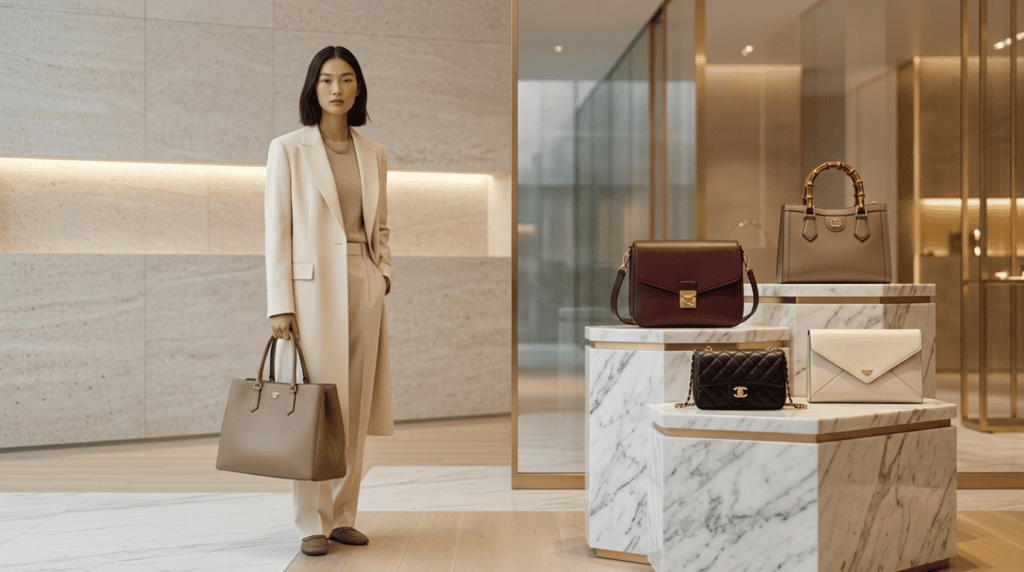
Not everyone wants to enter the resale-investing conversation at the top. The $2,000–$5,000 range has become a genuinely useful entry tier, with brands like Loewe, Bottega Veneta, and Celine offering pieces with documented resale performance rather than just aspirational pricing. Quiet luxury brands like Polène and DeMellier have also built a following among buyers who want craftsmanship and a distinct silhouette without a six-figure waitlist.
How to Choose the Right Bag for You
Before you get pulled in by a trend or a resale statistic, it helps to ask a few honest questions.
What will you actually use it for? A bag that photographs beautifully but can’t hold your phone, wallet, and keys without straining the zipper isn’t going to get worn. Be honest about your daily carry before you fall for a silhouette.
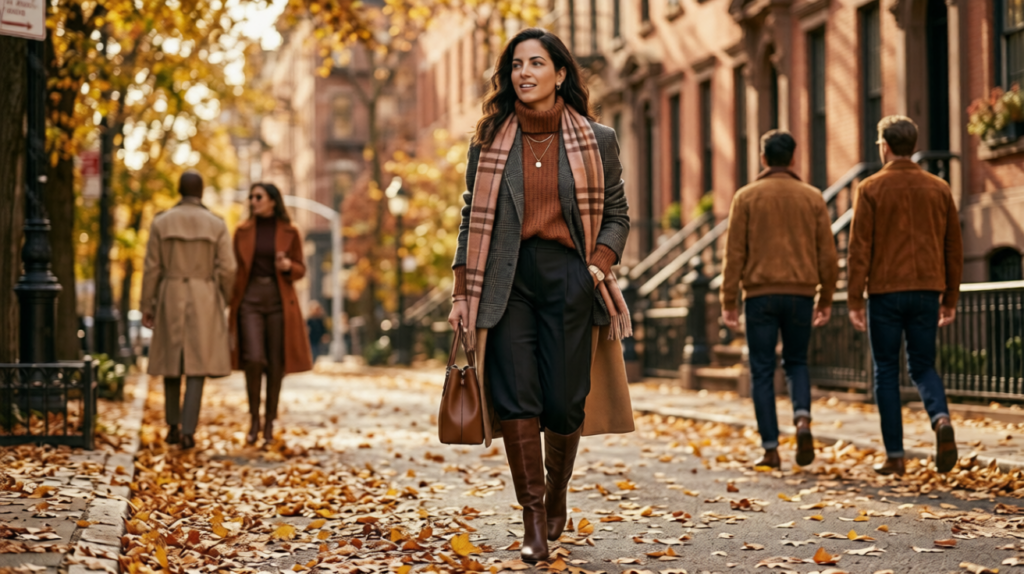
Does the color work with your existing wardrobe? A cherry-red bag is fun in a store, but if everything else you own is neutral, it might end up sitting in your closet more than on your arm.
Are you buying for yourself or for resale? These are genuinely different purchases. Buying for yourself means chasing what you love, even if it’s a seasonal color or a quirky shape. Buying with resale in mind means sticking to the boring, proven combinations — black, gold hardware, classic silhouette.
Can you commit to the care it needs? Suede and lighter leathers show wear faster than structured saffiano or caviar leather. If you’re rough on your bags, factor that into the material you choose, not just the brand.
How to Spot a Fake Before You Buy
Counterfeits have gotten sophisticated enough that even careful shoppers get fooled. A few checks make a real difference.
- Check the packaging first. Genuine luxury bags arrive in well-made boxes and dust bags. Cheap, flimsy, or missing packaging is an early red flag, especially when buying secondhand.
- Look closely at the stitching. Authentic bags have even, tight stitching in a consistent thread weight. Fraying, uneven spacing, or loose threads usually mean a counterfeit.
- Feel the hardware. Real hardware is heavy, smooth, and resistant to fading or chipping. Lightweight hardware or paint that’s already flaking is a common giveaway on fakes.
- Check the zippers. Many high-end brands use recognizable zipper manufacturers, and the zipper should glide without catching. A gritty, resistant zipper is a warning sign.
- Compare the logo and serial number. Brands are extremely precise about font, spacing, and logo placement. If you can, photograph the logo and serial code and compare them directly against the brand’s official product page before you finalize a purchase.
- Be skeptical of “too good to be true” pricing. A steep discount on a current-season piece from an unfamiliar seller is one of the most reliable red flags there is.
- Buy from authorized sources when possible. Official boutiques, brand websites, and reputable resale platforms that offer authentication guarantees are always safer than an unverified third-party listing.
Caring for Your Designer Bag
A bag is only as valuable as the condition it’s in years down the line. Store it upright with its dust bag and, ideally, some tissue paper or a bag insert to help it hold its shape. Keep it out of direct sunlight, since leather fades and dries out with prolonged UV exposure. Avoid overstuffing it, which stretches the leather and pulls at the seams over time. Rotate between bags rather than carrying the same one daily, and have it professionally cleaned or conditioned periodically rather than waiting until it’s visibly worn.
Frequently Asked Questions
What is the best designer bag to buy as a first investment piece?
A Chanel Classic Flap in black caviar leather with gold hardware is generally considered the safest first investment. It has decades of price appreciation behind it, broad recognition, and a large resale buyer pool.
Is it better to buy a designer bag new or pre-owned?
New, with full documentation, tends to hold more value at resale. A complete set with the box, dust bag, authenticity card, and receipt commands a real premium over an undocumented pre-owned piece, particularly for Hermès and Chanel.
What color designer bag holds its value best?
Black is the most universally stable choice across nearly every brand. After black, neutral tones like tan, cognac, and navy tend to outperform seasonal or trend colors at resale.
How can I tell if a designer bag is authentic before buying it online?
Check the packaging, stitching, hardware weight, zipper quality, and logo placement, and compare the serial number against the brand’s official records where possible. If a deal looks unusually cheap for a current-season piece, treat that as a warning sign rather than good luck.
Are oversized bags still in style for 2026?
Yes. After several years of micro bags dominating, larger totes and spacious handbags have returned to prominence, with Louis Vuitton, Balenciaga, and The Row all reintroducing bigger silhouettes this year.
Final Thought
A designer bag doesn’t need to be a perfect financial decision to be a good purchase. If you love a bright, seasonal color or a quirky one-handle silhouette, buy it for the joy of carrying it, not because a resale chart says otherwise. But if you’re spending serious money and want the option to recoup some of it later, stick to the boring rules — black or neutral tones, gold hardware, a classic silhouette, and full documentation. The bags that get remembered as good buys are rarely the flashiest ones in the room. They’re the ones that still look right five years later.