If you have ever stood in the makeup aisle staring at a wall of lip pencils and wondered whether you are holding a lip liner or a lip contour pencil, you are not alone. These two products look almost identical, but they serve very different purposes. And using the wrong one at the wrong time can completely change how your lip look turns out.
So let us clear things up once and for all.
What Is a Lip Liner?
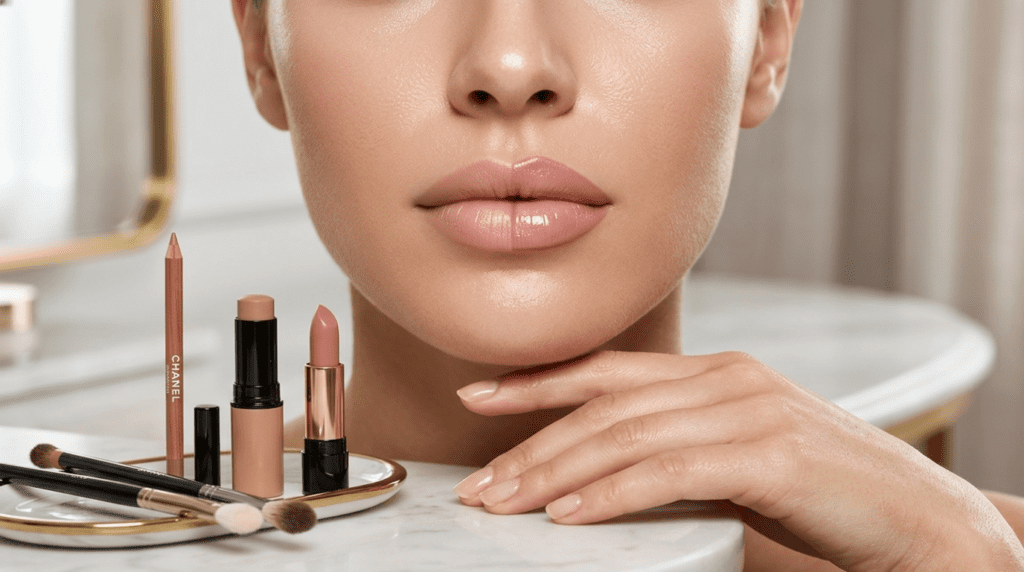
Lip liner is one of the oldest tools in a makeup kit. It is a pencil, usually waxy or slightly creamy in texture, that you use to draw around the edge of your lips before applying lipstick or gloss.
The main job of a lip liner is simple: it keeps your lip color from bleeding or feathering outside the lip line. If you have ever worn a bright red lipstick and noticed it creeping into the tiny lines around your mouth by midday, that is exactly the problem lip liner was made to fix.
Beyond that, lip liner also helps your lipstick last longer. When you fill in your entire lips with liner before applying color on top, you create a base that your lipstick holds onto much better. This is why so many makeup artists swear by it even for everyday looks.
Lip liners are typically available in shades that match popular lipstick colors, and there are also nude universals that work with almost anything.
When to Use Lip Liner
You should reach for your lip liner when you are wearing a bold or pigmented lip color and want it to stay in place. It is also great for anyone who has naturally undefined lip borders, because that crisp line makes the whole look look more polished and intentional.
What Is a Lip Contour?
Lip contouring is a slightly newer technique that borrows from the world of face contouring. Instead of just defining the border of your lips, lip contouring is about reshaping and adding dimension to the entire lip area using light and shadow.
A lip contour product is often a pencil or a combination of pencils in different tones. You use a shade slightly darker than your natural lip color to shadow the outer corners and a highlight shade or gloss in the center to make the lips appear fuller and more three-dimensional.
The goal of lip contouring is not just definition. It is optical illusion. You are visually changing the shape of your lips, making them look bigger, more lifted, or more balanced depending on what your natural shape needs.
This technique became hugely popular because it can give the appearance of a more pillowy, plump lip without any filler. When done well, it looks incredibly natural.
When to Use Lip Contour
Lip contouring is your best friend when you want your lips to look fuller or more shaped in photos and videos. It also works beautifully for special occasions when you want a more editorial or intentional lip look. If your lips are naturally thinner, uneven, or have less definition, contouring can make a huge visual difference.
Lip Contour vs. Lip Liner: A Side-by-Side Breakdown
Here is a quick way to understand how these two products compare when you put them next to each other.
Purpose: Lip liner defines the edge to prevent bleeding. Lip contour reshapes and adds dimension to the entire lip.
Technique: Lip liner stays close to or right on your natural lip line. Lip contour involves drawing slightly outside or inside the natural line depending on the effect you want, plus adding shadow and highlight.
Products used: Lip liner is typically one pencil in a matching shade. Lip contouring often involves two or more shades plus a gloss or highlight.
Finish: Lip liner gives a clean, defined look. Lip contour gives a fuller, sculpted, three-dimensional look.
Best for: Lip liner is best for everyday wear and keeping your lipstick neat. Lip contouring is best for photos, special events, or when you want your lips to look noticeably fuller.
Can You Use Both Together?
Absolutely yes, and honestly this is what most professional makeup artists do.
The typical approach is to start with lip liner to set the shape and prevent feathering, then use contouring techniques on top to add depth and dimension. You define first, then you sculpt.
For a everyday glam look, you might just do the liner step. But for a full glam moment, adding the contour technique on top takes the lip look to a completely different level.
Common Mistakes People Make
Using a lip liner that is too dark. A liner that is dramatically darker than your lipstick ends up looking outlined and harsh rather than polished. Always match your liner as closely as possible to your lip color, or go one shade darker at the most.
Contouring without blending. Lip contour lines need to be softened and blended, otherwise they look striped and artificial. Use a lip brush or your fingertip to blend the edges.
Skipping liner under a bold lip. Even if you are in a rush, a quick swipe of liner under a bright lipstick saves you from constant touch-ups throughout the day.
Drawing way outside your natural lip line. Over-lining in an extreme way looks very obvious in person even if it photographs well. Small, subtle adjustments look the most natural.
Product Tips from a Makeup Artist Perspective
When shopping for a lip liner, look for something with a slightly waxy consistency. It should glide smoothly without tugging on the skin. Avoid anything that feels too dry or too soft, because dry formulas drag and soft formulas smudge easily.
For lip contouring, a kit that includes a darker shade and a lighter or nude center shade makes the whole process much easier. Some brands also sell dedicated lip contour palettes with everything you need in one compact.
If you are a beginner and want to try contouring your lips for the first time, start with shades that are very close to your natural lip color. The more subtle the difference between your contour shade and your natural tone, the more blendable and forgiving the technique is to learn.
Final Thoughts
Both lip liner and lip contouring are genuinely useful tools, and once you understand what each one is actually doing for your lip look, the choice becomes very easy. Lip liner is your everyday essential for a clean, long-lasting finish. Lip contour is your secret weapon when you want your lips to look fuller, more lifted, and more sculpted.
You do not have to choose one over the other. The real magic happens when you combine both techniques and let them work together for a look that is both precise and dimensional.
Give it a try the next time you do your makeup and see how much of a difference the right tools and the right approach can make.